All Categories
Featured
Table of Contents
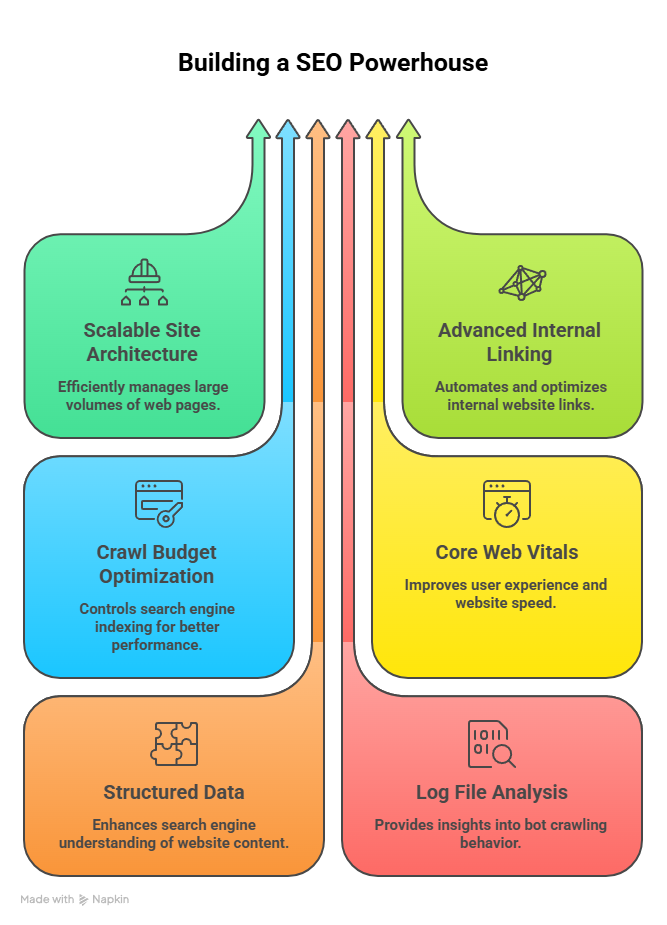

Advancement of Connection Security in 2026
The digital environment of 2026 has actually moved previous basic hyperlink structures toward complex, verified networks where every connection needs rigorous validation. Enterprise-level operations no longer view link structure as a solitary marketing effort but as a technical requirement that overlaps with cybersecurity. The shift towards more controlled, personal link networks stems from a requirement to protect domain authority from automated spam attacks and algorithmic changes that ended up being common over the last two years. As online search engine integrated deeper neural analysis of website relationships, the security of those relationships ended up being a primary ranking factor.
Security protocols now determine how information passes in between nodes in an enterprise network. These procedures are created to prevent the leakage of metadata that may signal artificial manipulation to search crawlers. In 2026, the focus has actually shifted from amount to the stability of the source. Top-level digital strategies now prioritize encrypted headers and protected socket layers even for outbound directional traffic. This makes sure that the connection remains private from third-party scrapers while staying transparent to the specific search entities intended to crawl the site.
For companies keeping massive digital assets, the reliability of Technical SEO Management depends on the underlying server architecture. Numerous enterprises have transitioned to using dedicated IP swimming pools and virtual personal servers to host their link nodes, separating their high-value assets from the "neighborhood" noise of shared hosting. This seclusion is a defense system against the widespread IP-based penalties that ended up being typical in early 2026.

Advanced Confirmation and Technical Seo Handled
Confirmation processes in 2026 are largely programmatic. Manual link checking is an antique of the past, changed by automated systems that keep an eye on the health, speed, and security status of every node in a network. These systems use token-based authentication to make sure that a link stays active just as long as the source website satisfies specific security standards. If a site in the network suffers a breach or loses its SSL accreditation, the system automatically redirects or shuts off the link to prevent reputation damage to the target domain.
This level of automation is required since of the sheer scale of contemporary digital footprints. Big corporations frequently manage thousands of subdomains and partner sites. Guaranteeing that these connections do not become entry points for cross-site scripting (XSS) or other vulnerabilities is a core task for IT departments. The combination of Automated Technical SEO Management Systems into the standard workflow permits a more stable development pattern in search results page. By dealing with each link as a safe endpoint, companies can develop authority without the worry of sudden algorithmic decline.
Encryption and Metadata Obfuscation
One of the more technical aspects of link security in 2026 involves the management of referer headers. Requirement web protocols typically transfer a considerable quantity of information about the origin of a visitor. In an enterprise link network, this information can be utilized by rivals to draw up the whole network structure. To fight this, security specialists use "noreferrer" and "noopener" tags together with sophisticated server-side scripts that strip away identifying metadata before the request reaches the destination.
- Release of TLS 1.4 for all network nodes to make sure fast and safe handshakes.
- Usage of randomized crawl patterns to avoid search engine bots from recognizing a foreseeable link-building schedule.
- Application of hardware-level firewall programs on all primary linking domains to block destructive bot traffic.
- Rigorous adherence to local information personal privacy laws when managing links that travel through various geographical regions.
These measures do more than simply secure the network from hackers. They likewise enhance the overall user experience by guaranteeing that links are quick and trustworthy. In 2026, page load speed remains a vital component of search performance, and protected, enhanced link courses contribute directly to those metrics. The need for Technical SEO Management in 2026 has actually grown as more companies recognize that security and search presence are 2 sides of the same coin.
Danger Management and Algorithmic Protecting
The search algorithms of 2026 use advanced pattern acknowledgment to determine link networks that do not have a natural footprint. Security procedures are therefore utilized to inject "sound" into the network, making it appear more natural. This is not about deception, but about protecting legitimate company connections from being misidentified as spam. By differing the server locations, registrar information, and hosting companies, enterprises create a more durable structure that can withstand the analysis of modern-day AI-driven search filters.
A significant danger in 2026 is the increase of unfavorable SEO, where harmful actors point thousands of low-grade, "harmful" links at a competitor's protected network to activate a charge. Business security procedures must include an active monitoring layer that recognizes these inbound hazards in real-time. By using a "disavow-at-source" approach, security groups can prevent these poisonous connections from ever being associated with their main digital properties. This proactive defense is even more efficient than attempting to tidy up a domain's track record after a charge has been used.
Consistency in Technical Seo Handled is attained through stable, validated growth. Fast spikes in connection are typically flagged as suspicious, despite the security procedures in place. The procedures often include a "drip-feed" system that makes sure brand-new links are indexed at a pace that matches the natural growth of the brand's online existence. This temporal security avoids the network from drawing unnecessary attention during the early phases of its development.
The Role of Artificial Intelligence in Link Defense
AI is not simply a tool for online search engine; it is also an essential component of link network security. In 2026, AI-driven scanners continuously probe a business's link profile to find vulnerable points. These scanners can forecast which links are probably to stop working or which domains are ending up being "stagnant" in the eyes of search algorithms. By determining these issues before they manifest as a drop in rankings, companies can preserve a dominant position in their respective markets.
Machine learning designs also help in picking the best nodes for brand-new links. These designs examine the semantic relevance and the security history of a possible linking website. This makes sure that every brand-new connection contributes to the general strength of the network instead of creating a potential vulnerability. The focus is on developing a "web of trust" where every node enhances the reliability of the others.
- Continuous scanning for broken links and unauthorized redirects.
- Automated updates for all CMS platforms and plugins across the network.
- Real-time tracking of domain expiration dates to prevent "link hijacking" by squatters.
- Regular audits of anchor text circulation to ensure it remains within safe, non-optimized specifications.
The Future of Secure Connection
Looking toward the end of 2026 and into 2027, the trend of link security is approaching decentralization. Some business are explore blockchain-based verification for their crucial connections. This would produce an immutable record of the link's origin and function, making it nearly impossible for third celebrations to forge or control the relationship. While this innovation is still in its infancy for SEO purposes, the security advantages are clear.
The combination of safe and secure procedures into the extremely fabric of web advancement means that link structure is ending up being a more technical, engineering-heavy discipline. The days of basic outreach are being replaced by a sophisticated mix of networking, security, and information science. Organizations that fail to adopt these procedures will likely find their digital assets marginalized as online search engine become more skilled at straining unproven and insecure connections.
Successful business in 2026 understand that a link is not simply a course for a user; it is a signal of trust. Safeguarding that signal requires a multi-layered approach that includes server-side security, metadata management, and consistent AI-driven oversight. By treating their link networks with the very same level of care as their primary financial databases, companies can make sure long-term stability and development in a significantly intricate digital world. The relationship in between security and search authority has never been more direct, and the procedures developed today will specify the winners of the digital marketplace for years to come.

Latest Posts
Reliable Workflows for Elite Link Acquisition
Protecting Your Digital Footprint With SEO Builders
Expanding Search Impact Through Elite Backlinks